

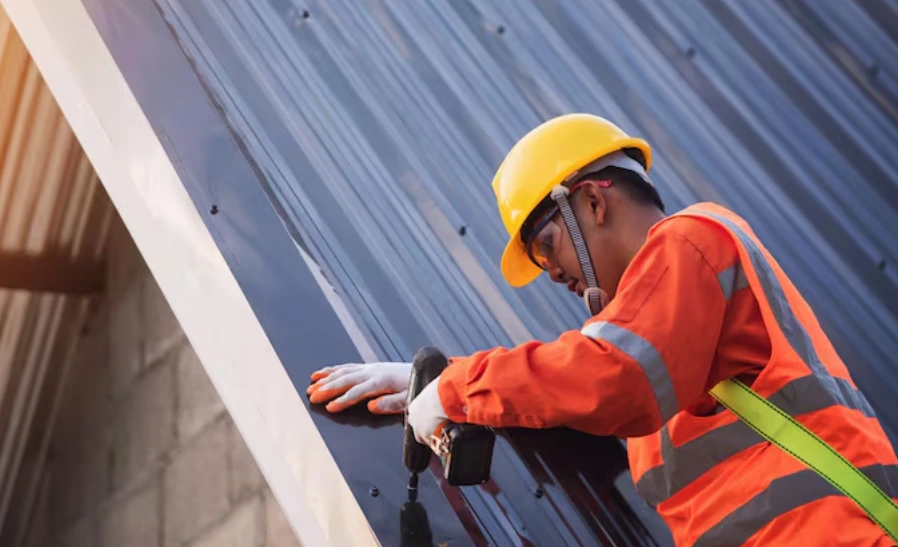
You don’t think much about a roof until it is needed. The roof just sits quietly, day after day. One morning you wake up and notice water stains in your ceiling, or shingles scattered around the yard following a storm. The words new roof installation stop being abstract, and become a reality.
Let’s face it, replacing a roof is not a small task. It’s big, loud, and maybe even chaotic. It doesn’t need to be overwhelming. By planning ahead, you can make the whole process easier, quicker, and less stressful.
It’s not just contractors who are climbing your roof. This is about preparing your home and yourself to handle the chaos that comes along with a full-scale roofing installation. Imagine preparing your home for guests. Instead of dinner and conversation you are hosting hammers and nails and a crew of roof installation contractors.
Why Preparing For A New Roof Installation Is Important
When you hear the phrase new roof installation, it can sound straightforward–like the old one comes off, the new one goes on, done. That’s not the whole story. The roof is a part of the house’s structure. Insulation, ventilation, gutters and even landscaping can be affected by materials thrown off the edge.
You may end up with problems if you don’t prepare properly:
- Plants or outdoor furniture damaged
- Attic filled with broken valuables
- Children or pets can be stressed by noise
- Residents are annoyed by hammering in the early morning
- Additional costs may be incurred if problems are discovered during roof installation
Preparation is key to avoiding surprises that could derail a project.
First, Clear The Area Around Your Home
Roofers require a lot of space. Trucks are going to pull up, ladders go up and debris is going to fall. It is not a good idea to leave cars in your driveway while a roof installation is being done by a professional. If possible, move them to the road.
It’s the same for decorative items, patio furniture and grills. Even a small garden gnome could become a problem. The contractors will appreciate your clear space and you’ll have less to replace later.
I heard of a family that left their trampoline out in the yard while they were replacing a roof. It’s safe to say that bouncing under shingles falling was not the best combination. It’s better to cover or relocate anything that you value.
Step 2: Protect Your Home’s Interior
The new roof installation has an impact on the inside as well. Vibrations from machinery and hammers can be transmitted through ceilings and walls. You may find that fragile frames or decor placed on high shelves can rattle. Move them to a safe place.
Your attic deserves extra attention. It is almost certain that dust, nails and other small debris will fall during roof renovations. Cover boxes with old sheets or tarps, and move anything valuable–electronics, antiques, sentimental keepsakes–out of harm’s way.
Consider it insurance. Spending a little time to cover things now will save you a lot of cleaning (and regrets) in the future.
Step 3: Make Space In The Attic
The attic is often overlooked and deserves its own section. It is easy to overlook the attic, which sits right beneath a roof installation.
You should go through your attic as if you were preparing to move. Box, cover, or move anything fragile, dusty or easily damaged. This set of holiday decor or those boxes with childhood memories? Put them in a safe place for the moment.
Some homeowners use this time to organize their home. This is the perfect time to sort through your attic storage if you have been putting it off. Rooftop projects can motivate you to let go of broken lamps you had vowed you would fix one day.
Step 4: Protect Your Children And Pets
It may seem obvious, but this is worth repeating. Roof construction sites are not playgrounds. The noise can stress pets. Children are curious about ladders, tools and other equipment. It is best to have them somewhere else during installation.
Even though you are at home, constant footsteps and banging can be disturbing. Even if your dog usually sleeps through everything, it may bark constantly. A toddler might become restless or scared. A playdate, a daycare or even a simple visit to the grandparents can make everyone’s day more enjoyable.
Step 5: Speak With Your Neighbors
Communication is one of the easiest but most neglected steps to prepare for a new roof installation. The neighbors don’t like being surprised at 7 a.m. by hammering and finding roofing nails on their driveway. It’s helpful to give them advance notice. “Hey, this week we are installing a new roof, I apologize for the noise.”
This small gesture can help prevent complaints and shows consideration. Some neighbors may even be grateful for the reminder to move their cars or cover patio furniture.

Step 6: Confirm Details With The Roof Installers
Double-checking is essential. Sit down with your roofing contractors before the first shingle is removed and make sure you understand everything.
- What is included in a contract?
- Do the costs of a new roof installation include debris removal and cleanup?
- What will they do if there are unexpected problems (like rotten wood or poor ventilation?
- What is the backup plan in case of bad weather?
These conversations may seem tedious, but they are important. Many homeowners don’t read the fine print before signing documents, and then discover that they have been charged extra later. Quickly reviewing the contract will prevent misunderstandings, and keep everyone on the same track.
Step 7: Plan For Indoor Comfort
Residential roof installation can transform the interior of your home. Your home’s temperature will not be regulated as it would normally be if sections of your roof are open. Summer installs can make rooms hotter; winter installs can let in drafts.
Prepare yourself. Set your thermostat to a comfortable level, prepare fans, or create a quiet space within the house. Some families plan outings or errands for the most noisy times of the day. This is not about escaping your responsibilities, but about taking a break.
Step 8: Anticipate Mess
It’s impossible to avoid it: installing a new roof will create debris. It’s not possible to avoid the mess that comes with a new roof installation. Old shingles and nails, as well as wood scraps, all have to be disposed of. Expect a mess. Reputable crews will bring tarps for landscaping protection and magnetic tools to catch stray nails.
Cover flowerbeds and gardens in advance if you are worried. Protecting delicate plants by yourself can give you extra peace of mind.
Cleaning is part of a process and may not happen immediately. Allow the crew to complete their work before you judge how it looks.
Step 9: Consider Material Choices Beforehand
It’s not just about physical preparation, but also mental. You have to decide on the type and style of roof you want. A metal roof is a different installation than a shingle roof, and a tile roof is a different installation.
Each option has its pros and cons.
- Shingles can be found at affordable prices and are versatile.
- Metal is durable but more expensive upfront.
- Traditional and beautiful, tile can be heavy.
- Commercial buildings may benefit from a flat roof.
Having a clear idea of what you need in advance will keep the project on track. Indecision at the last minute can cause a roof installation to be delayed and frustrate you and your contractor.
Step 10: Be Flexible
Even if you are well prepared, unexpected things can happen. Time and money can be added by weather delays, supply-chain issues, or hidden damages under old shingles. Adding flexibility to your budget and schedule will help.
It may take longer to install a commercial roof than anticipated. Roof upgrades on older homes may reveal more work than expected. Plan for “what-ifs” instead of panicking. It does not mean to expect disaster, but it means to be realistic.
Common Mistakes To Avoid During A New Roof Installation
Certain mistakes continue to be made over the years. These are the mistakes that homeowners regret the most.
- Booking too late can cause good contractors to become busy. If you wait until the last moment, there are fewer options.
- Do not ask about warranties. A solid warranty will add value to your purchase.
- Neglecting ventilation: A roof that lacks proper airflow will have a shorter lifespan.
- Roof damage is not covered by all insurance policies. Be sure to check your policy before you begin.
By avoiding these common mistakes, you can have a smooth experience installing your new roof.
Roof Replacement: The Emotional Side
You might find it strange, but getting a new roof has an emotional component. Imagine that your roof has protected you from birthdays, holidays and quiet mornings as well as stormy nights. It feels like an end of an age when you let go.
A roof renovation also brings about renewal. You can strengthen your house, improve its appearance, and be confident in the future. This is both practical and symbolic.
Related Reading
- Roof Installs 101: What Homeowners Should Know Before Starting a Project
- Why Professional Roof Installs Matter More Than DIY Fixes
- How Long Does It Take to Reroof a 2,000 Square Foot House in Succasunna?
- Roof Tear-Off vs. Overlay in NJ: The Structural Truth Most Contractors Don’t Tell You
Final Thoughts
It’s not difficult to prepare your home for the installation of a new roof, but you need to be intentional. It is important to clear the yard and protect the attic. You should also communicate with your neighbors and confirm details with the contractors.
You don’t only get a more durable roof. It gives you peace of mind knowing that your home is prepared for the future. You’ll be proud to look up at your roof, whether you choose a metal or tile roof, or you go with a shingle roof.
Royalty Exteriors is a great choice if you are looking for a reliable and experienced roof installation service. They specialize in roof installations and bring both care and craftsmanship to each project. They understand that preparation and the actual work are equally important, whether it is for residential or commercial roofs. Your roof upgrade does not have to be stressful if you choose the right partner. It can actually be the start of a safer, stronger home.
 Top Signs Your NJ Roof Needs Repair Before Winter
